
INTRODUCTION
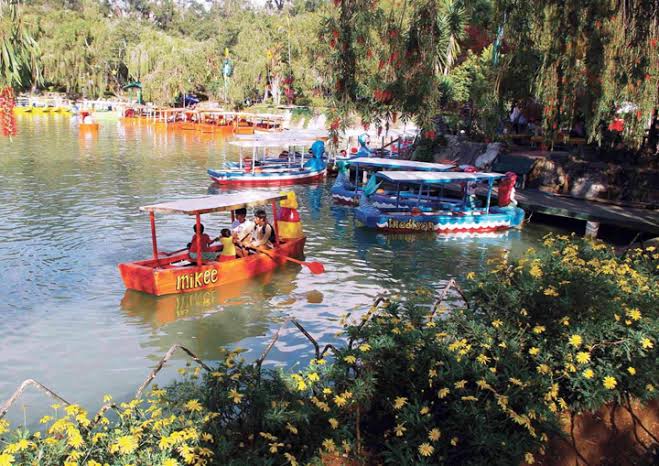
As a first time visitor in Baguio, you may ask the question “Why are they butchering or slaughtering pigs and chickens?” You may hear pig screams commonly near the place where you are staying. You may also see smokes on a far place and someone may invite you for the “party.”
THE TRADITION: CAÑAO
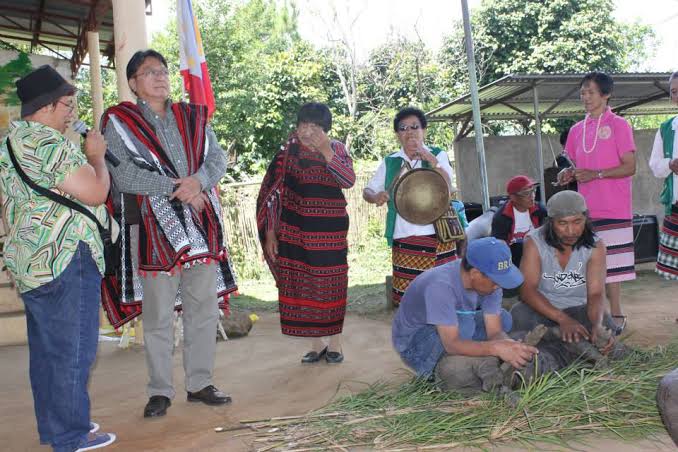
This practice is called Kanyaw or Cañao. It is a ritual where pigs, chicken and/or carabaos are butchered and serves as sacrifice to their god Kabunyan (Masferré, 1999). Jessen (2017) also stated that the butchered animals serve as sacrifice for the ‘anitos’ or the ancestral spirit of the dead.
According to the article “Cañao: Glancing into an Ancient Filipino Tradition” (2013), the practice of cañao is done even before the Spaniards colonize the Philippines. Despite being an ancient tradition, it is still done by many Igorots until now.

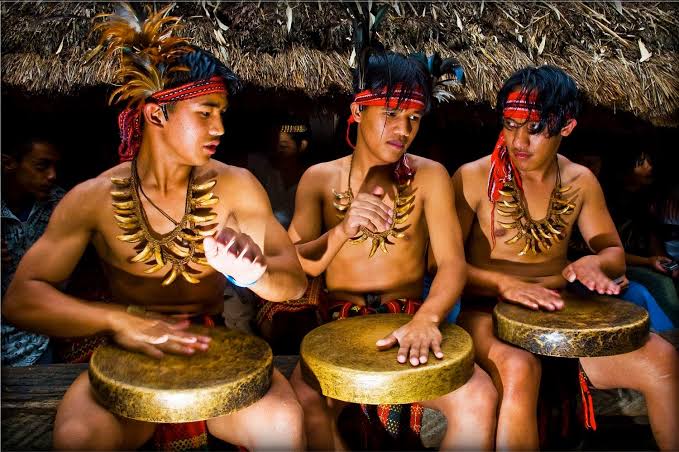
It is not only about butchering animals for sacrifice. The tradition includes dancing, prayers, chanting, etc.
WHY IS IT DONE?
Cañao may be done for numerous reasons. It is practiced for occasions such as marriage, feast, and death (Bolinto, 2013). Bolinto also stated that the rituals of the cañao is perceived to heal in belief that it will appease the spirits that cause sickness to a person.
The feasts for cañao may not be as grand as tourists may think. A Cordilleran may practice cañao after he bought a car or house as thanksgiving and blessing the property. It could also be done by butchering animals and prayers for small events.
WHAT SHOULD YOU DO AS A TOURIST?
Since it is not common in the lowlands and tourists may have a culture shock upon witnessing a live action of butchering the animals, it is still best to be respectful of the tradition. Read more about cañao as it is considered as a sacred ritual of the Cordillerans. When someone invites you for a “party,” you could go but if it is really your first time I suggest that you read first so you will know what will you do with respect to the ceremony.
References:
- Bolinto, R. (2013, July 17). Cañao: Heart of the Cordilleran Culture. Igorot Cordillera BIMAAK Europe. https://www.icbe.eu/articles/248-canao-heart-of-the-cordilleran-culture
- Cañao: Glancing Into an Ancient Filipino Tradition. (2013, June 10). Igorot Cordillera BIMAAK Europe. https://www.icbe.eu/articles/216-canao-glancing-into-an-ancient-filipino-tradition
- Jessen, D. R. B. (2017, November 21). Cañao: Our Sacred Cultural Practice as Indigenous Peoples of the Northern Philippines – CulturalEncountersAndDifferences.dk. Cultural Encounters and Differences. http://culturalencountersanddifferences.dk/canao-our-sacred-cultural-practice-as-indigenous-peoples-of-the-northern-philippines/
- Masferré, Eduardo (1999). A Tribute to the Philippine Cordillera. Asiatype, Inc. p. 54. ISBN. Retrieved 27 August2019.
 Baguio Traditions